


A lot of people start searching “habit vs addiction” at a very specific moment. It’s often when something familiar stops feeling harmless.
It may be the nightly drink that used to end at one glass and now keeps going. It may be a prescription medication that was taken for a real reason, but is still being used after the original problem has passed. It may be a spouse noticing growing secrecy, or a parent realizing a son or daughter seems unusually irritable when they can’t use a substance. Those questions matter because concern usually starts before certainty does.
Families in Euless, Dallas, and across DFW often wait for a dramatic collapse before taking the issue seriously. That delay is common, but it’s not necessary. The line between a habit and an addiction can be understood. Once the warning signs are clearer, the next step becomes clearer too.
Table of Contents
- Is It a Bad Habit or Something More?
- Defining the Difference Between Habit and Addiction
- A Clinical Comparison of Habit vs Addiction
- How Habits Form and Addictions Hijack the Brain
- Recognizing the Tipping Point From Escalation to Consequence
- When Addiction Becomes Routine A Hidden Danger
- Finding the Right Path Forward in Dallas-Fort Worth
Is It a Bad Habit or Something More?
When people ask whether a behavior is “just a habit,” they’re often asking something deeper. They want to know whether the situation is still manageable, whether willpower is enough, and whether help is really needed.
That uncertainty makes sense. Habits and addictions can look similar on the surface because both involve repetition. A person may drink every evening, take the same pill at the same time each day, or reach for a substance whenever stress rises. Repetition alone doesn’t answer the question.
What changes the picture is control, escalation, and consequence.
According to data summarized here by Relevance Recovery, approximately 9% of Americans aged 12 and older struggle with a substance use disorder, while habits form through repetition over an average of 66 days and can be broken with focused effort. That contrast matters because it shows that repeated behavior isn’t automatically addiction, but some repeated behaviors move into a much more serious category.
Why people get confused
A habit can feel strong. Someone may automatically open a drink after work or take a substance whenever anxiety shows up. That automatic quality often leads families to assume addiction is present. Sometimes it is. Sometimes it isn’t.
A habit usually still leaves room for meaningful choice. An addiction starts to narrow that space.
Practical rule: If a person can interrupt the behavior with effort, tolerate the discomfort, and return to normal functioning, the pattern may still be a habit. If stopping leads to cravings, withdrawal, repeated failed attempts, or life disruption, the concern is more serious.
Why this distinction matters now
The question isn’t academic. It affects what kind of help works.
A bad habit may respond to structure, accountability, and replacement routines. Addiction often needs clinical support, especially when a person is dealing with alcohol, opioids, or a co-occurring mental health condition. For families in Dallas-Fort Worth, recognizing that difference early can prevent months or years of worsening consequences.
Concern is a valid starting point. A person doesn’t need to “hit bottom” before asking whether a pattern has crossed the line.
Defining the Difference Between Habit and Addiction
A habit is a learned behavior repeated often enough that it starts to run automatically. It usually begins with a cue, continues with a routine, and ends with some kind of reward. That reward may be comfort, convenience, distraction, or relief.
An addiction is different in kind, not just degree. It involves compulsive use or engagement despite harm. The person does not merely repeat the behavior. The behavior begins to dominate decision-making.
What a habit looks like
A habit is like a worn path through grass. The more often someone walks it, the easier it becomes to follow. The path is real, and it can be strong, but a different path can still be made.
Examples might include:
- Stress-based routines: reaching for snacks during work pressure
- Evening rituals: pouring a drink while making dinner
- Automatic coping: taking a pill whenever discomfort appears, even before considering other options
These patterns can be unhealthy. But unhealthy doesn’t always mean addictive.
What addiction looks like
Addiction is closer to a fundamental alteration than a simple path. It affects how a person responds to stress, reward, memory, and consequence. The issue is no longer just routine. It becomes compulsion.
A person with addiction may keep using a substance even after clear damage appears. That damage may include conflict at home, performance problems at work, increasing secrecy, risky decisions, or the inability to stop despite wanting to stop.
Addiction is defined less by how often someone uses and more by what happens when they try to cut back, what it costs them, and whether the behavior keeps going despite those costs.
The simplest distinction
For many families, this short comparison helps:
- Habit: “This is something a person does a lot.”
- Addiction: “This is something a person struggles not to do, even when it’s hurting them.”
That’s why two people can have similar routines but very different clinical realities. One may have a behavior that’s firmly ingrained but still changeable. Another may be dealing with a disorder that requires treatment, monitoring, and a structured recovery plan.
The confusion often comes from looking only at frequency. Frequency matters, but it’s only one piece. The better questions are whether the behavior is escalating, whether stopping feels possible, and whether life is starting to bend around the substance.
A Clinical Comparison of Habit vs Addiction
The clearest way to understand habit vs addiction is to compare them side by side. Families often notice the same outward behavior every day and assume sameness means safety. Clinically, the deeper questions are about control, craving, consequences, and what happens when the person tries to stop.
According to this overview from Roots Recovery, addiction is marked by loss of control and compulsive engagement despite severe consequences. The same source notes that while about 9% of Americans over 12 have a substance use disorder, alcohol use disorder affected 14.5 million people ages 12 and older in 2019. A nightly glass of wine may fit the pattern of habit. Escalating to multiple bottles and experiencing withdrawal points toward addiction.
Habit vs Addiction key distinctions
| Criterion | Habit | Addiction |
|---|---|---|
| Control | Usually remains voluntary, even if change is difficult | Control becomes impaired and attempts to stop often fail |
| Motivation | Comfort, routine, convenience, or mild relief | Craving, compulsion, or the need to avoid feeling worse |
| Consequence | Minor inconvenience or limited downside | Ongoing harm to health, work, relationships, or stability |
| Response to stopping | Frustration, boredom, or restlessness | Agitation, withdrawal, powerful urges, or rapid return to use |
| Attention and planning | Limited mental space | Growing preoccupation with getting, using, hiding, or recovering |
| Pattern over time | Often stable | Often escalates in amount, frequency, or intensity |
Four clues clinicians watch closely
Control
A habit may be annoying, persistent, or frustrating. But the person can usually interrupt it with effort. In addiction, the person may make sincere promises, set limits, remove substances, or ask loved ones for accountability and still return to use.
Craving
Habit usually follows a cue. Addiction often adds an internal pull that feels urgent. The person may think about the substance during work, while driving, or in the middle of family time.
Consequences
Habits can be inconvenient. Addiction keeps going even after consequences become obvious. That’s one reason approaches such as cognitive behavioral therapy for alcohol addiction are often used. They help people identify the link between triggers, thoughts, behavior, and relapse risk.
Psychological state
A person with a habit may say, “It’s hard to stop.” A person with addiction often lives in a cycle closer to, “I need this to feel okay,” or “I’ll stop tomorrow,” even when tomorrow keeps moving.
A useful question for families is this: Is the behavior still fitting into the person’s life, or is the person’s life starting to fit around the behavior?
That question often reveals more than arguments about labels ever do.
How Habits Form and Addictions Hijack the Brain
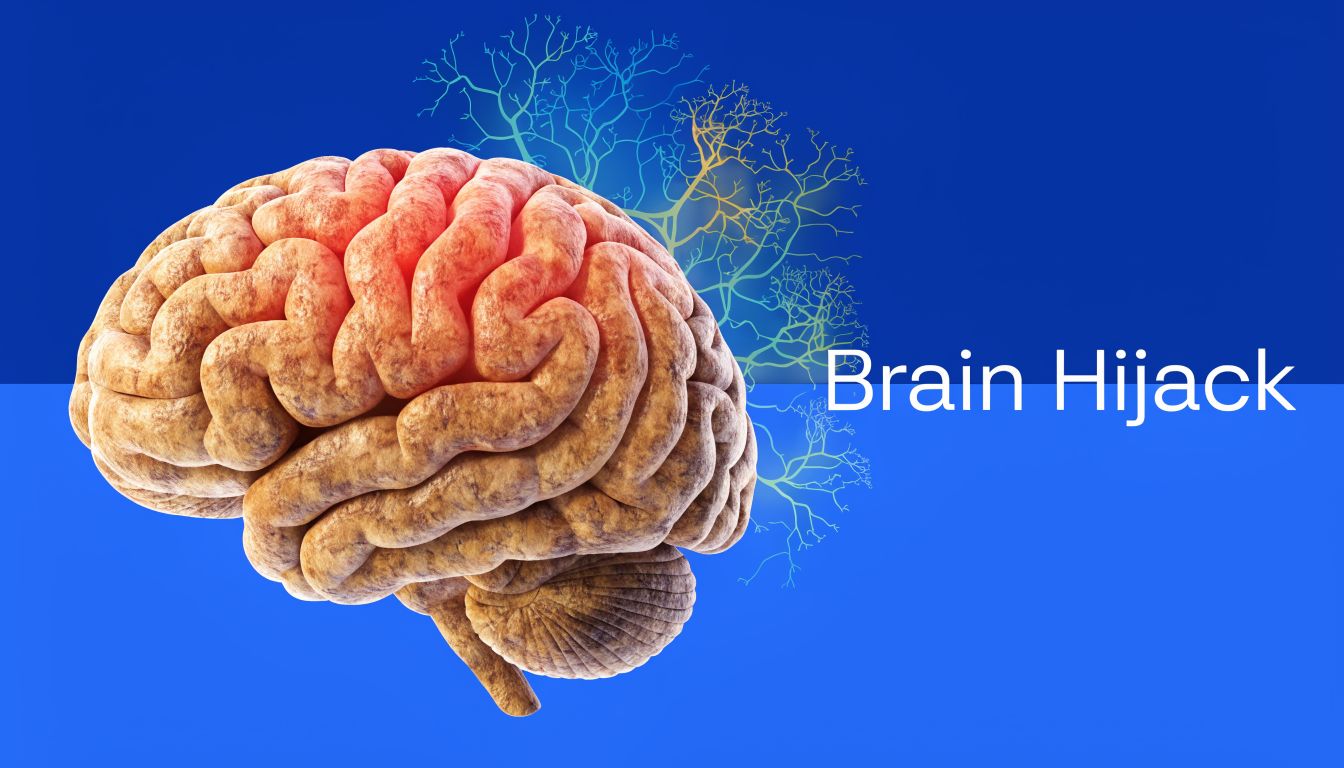
Habits develop because the brain likes efficiency. When the same cue leads to the same action and the same reward, the brain starts conserving effort. The sequence becomes more automatic. That’s useful when the behavior is brushing teeth or locking the door. It becomes a problem when the routine involves alcohol, opioids, or another substance.
The basic habit loop
A habit usually follows a simple pattern:
- Cue: stress, boredom, pain, an argument, the end of the workday
- Routine: drinking, using, taking a pill, or seeking a substance
- Reward: relief, numbness, pleasure, or escape
Repeat that loop enough times and it begins to run with less conscious thought. The person may not fully decide each time. The brain starts expecting the sequence.
What changes in addiction
Addiction involves more than a repeated loop. The reward system becomes distorted in a way that makes the substance feel unusually important. The person doesn’t just like the effect. The brain begins to prioritize it.
According to this neuroscience review in PMC, habits operate through stimulus-response loops, while addiction reflects a pathological dominance of that system. The same review notes that chronic cocaine exposure can increase D1 receptor binding by 200% and reduce D2 sensitivity by 30% to 50%, and that relapse after cues post-abstinence reached 65% in addicts compared with 15% in habituated controls.
Those numbers describe a core clinical reality. Repeated substance exposure can reshape how strongly cues drive behavior.
Why tolerance and withdrawal matter
Two changes often signal that the brain is no longer dealing with a routine alone.
One is tolerance. The same amount no longer produces the same effect, so the person uses more.
The other is withdrawal. When the substance is reduced or removed, the person may feel emotionally, physically, or psychologically distressed. That reaction pushes continued use even when the person wants to stop.
This is why addiction shouldn’t be treated as a character problem. The person may still care deeply, mean what they say, and want recovery, while also having a brain and body that now react powerfully to the substance and its cues.
Why treatment changes the equation
Once addiction has altered brain function, support needs to match the problem. Structure matters. Therapy matters. For opioid dependence, medication-assisted treatment can matter. The goal isn’t punishment. The goal is to reduce chaos, stabilize the person, and rebuild the ability to choose differently in real-life situations.
That shift often brings relief to families. It replaces blame with a clearer picture of what they’re dealing with.
Recognizing the Tipping Point From Escalation to Consequence
The turning point from habit to addiction often shows up in ordinary moments long before a crisis. Families may notice it in the grocery receipt, the tone of a late-night phone call, or the way the person structures the day around using. These signs are easy to minimize because each one may seem explainable on its own.
Together, they tell a different story.
According to clinical benchmarks summarized here, a key sign of addiction is escalation. Weekly alcohol intake can rise 150% to 300% within 3 months of an addiction taking hold, and opioid tolerance can double dose needs quarterly. The same source reports that habits occupy less than 10% of daily thought, while addictions can consume 35% to 50%, correlating with work and social impairment.
What escalation looks like in real life
A person may start with a predictable pattern. One drink becomes several. One pill taken for pain becomes one taken for stress, then one taken to get through the morning. The amount changes, but so does the purpose.
The substance stops being optional and starts becoming central.
Warning signs families often overlook
- Preoccupation: thinking about the next use during work, meals, family events, or sleep
- Increased amount: needing more alcohol or more medication to get the same effect
- Loss of boundaries: using at times that used to feel off-limits, such as before work or while alone
- Functional fallout: missed obligations, irritability, secrecy, money strain, or withdrawal from loved ones
- Emotional dependence: using mainly to manage anxiety, sadness, anger, or numbness
These signs matter because they point to more than repetition. They show a shift in function and cost.
A practical way to assess the pattern
One useful question is whether the person’s day is being organized around the substance.
If the answer is yes, the issue has likely moved beyond a simple routine. People in this stage often benefit from learning stronger coping skills for addiction, because the substance has become the default response to stress, discomfort, or emotional pain.
Families don’t need proof of disaster to take escalation seriously. Repeated increase, growing mental space, and rising consequences are enough reason to seek an assessment.
When escalation meets consequence, the pattern deserves clinical attention.
When Addiction Becomes Routine A Hidden Danger
One of the most misunderstood phases of addiction is the period when it stops looking dramatic. The person may no longer appear visibly chaotic. Cravings may seem less obvious. Use may become steady, scheduled, and almost mechanical.
That can fool families. It can also fool the person using.
Why “stable” doesn’t mean safe
Some addictions become highly automated over time. The intense chase may quiet down, but the routine remains firmly embedded. A person may say the problem is improving because they aren’t binging, panicking, or talking about cravings all day. Yet the behavior still happens with remarkable consistency.
That isn’t the same as recovery.
According to this discussion of habit-like automation in addiction, a 2025 study in Addiction Biology found that 28% of long-term opioid users showed this kind of automated pattern, and it correlated with 15% higher relapse rates during stress triggers because environmental cues remained unaddressed.
The hidden risk of routine use
Routine addiction can be especially dangerous for high-functioning adults. They may keep a job, show up for family events, and avoid obvious crises. From the outside, it may look controlled.
Under stress, though, the old wiring can activate fast. A conflict, loss, injury, or wave of anxiety can reconnect the person to the same learned cues and send the pattern right back into heavier use.
When substance use becomes quiet, repetitive, and woven into the day, that can reflect entrenchment, not improvement.
What this means for treatment
This phase often needs more than motivation. It needs work on triggers, routines, environmental cues, and relapse prevention. The person may not need less attention because the behavior looks calmer. In many cases, the need is more specific.
That’s why families shouldn’t assume “at least it’s not getting worse” means the problem is under control. An addiction that has become routine still carries risk, especially when life becomes stressful.
Finding the Right Path Forward in Dallas-Fort Worth
Recognizing the difference between habit and addiction is important. Acting on that knowledge is what protects health, relationships, and long-term stability.
For adults in Euless, Dallas, and surrounding DFW communities, the right next step depends on what the pattern looks like in daily life. A person who’s escalating, losing control, or dealing with consequences usually needs more than self-directed change.

Matching care to the problem
Different levels of care exist for a reason.
- Outpatient care: useful when someone needs treatment while maintaining work, school, or family responsibilities
- IOP: helpful when a person needs more structure, regular therapy, and accountability several times each week
- PHP: often a better fit when symptoms, relapse risk, or life disruption call for a more intensive schedule
- Dual diagnosis care: important when anxiety, depression, trauma, or another mental health concern is helping drive substance use
- MAT with Suboxone: can be an appropriate option for opioid dependence when withdrawal and cravings make abstinence difficult to sustain
The right plan is based on the person’s current risks, not on shame or labels.
When to reach out
Families often wait until everyone agrees on the exact label. That delay can cost valuable time. It’s usually enough to notice that the behavior is escalating, causing consequences, or resisting repeated efforts to stop.
A family that’s unsure whether the issue has crossed the line may find it helpful to review additional signs in this guide on when to seek help for drug or alcohol addiction.
A grounded next step for DFW families
The most helpful first move is often a professional assessment. That creates clarity about whether the pattern is still a habit, has become an addiction, or involves both substance use and mental health needs at the same time.
People in the Dallas-Fort Worth area don’t need to figure it out alone. Early support can reduce the chance that a growing problem becomes a deeper one. Quiet concerns count. Repeated failed attempts count. Functional decline counts.
Help is most effective when it starts before the damage becomes overwhelming.
If a person in Euless, Dallas, or the greater DFW area is showing signs that a habit has become an addiction, Maverick Behavioral Health offers outpatient treatment, IOP, PHP, dual diagnosis care, and MAT including Suboxone in a compassionate setting built for real-life recovery. Families and individuals can call (888) 385-2051 to speak with a team member about treatment options, scheduling, and the next step toward lasting change.